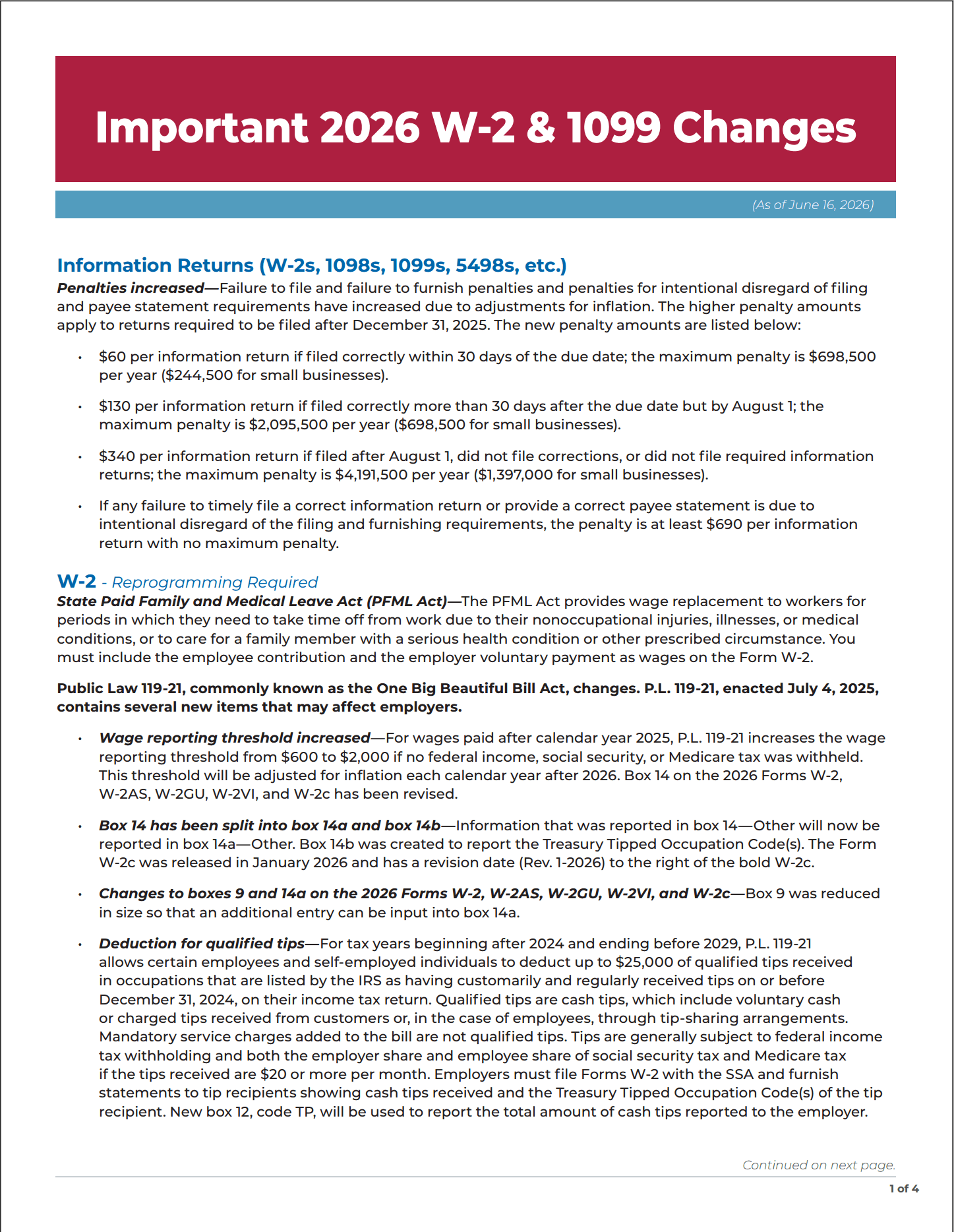
A late invoice, a returned statement, or a check that shows through the wrong envelope window can create more work than the mailing itself. The right mailing supplies keep routine business documents protected, properly addressed, and ready to move without a last-minute trip to an office store. For teams that send invoices, checks, tax notices, statements, or customer correspondence, envelope selection is an operational decision, not a minor purchasing detail.
The best choice depends on what is being mailed, how it is printed, the volume going out, and whether the document must arrive with a polished, confidential appearance. A practical supply plan prevents mismatched windows, wasted labels, sealing delays, and costly emergency orders.
Start With the Document, Not the Envelope
The fastest way to order the wrong envelope is to begin with a familiar size instead of the document inside it. Confirm the finished document dimensions, fold pattern, address location, return-address placement, and whether a check, remittance slip, or reply piece is included. These details determine the envelope format that will work without manual adjustments.
For standard letters, invoices, and notices, a No. 10 business envelope is often the everyday choice. It accommodates a letter-size sheet folded into thirds and is available in regular or window configurations. That does not mean every No. 10 envelope is interchangeable. A document designed for a single-window envelope may display its address incorrectly in a double-window format, while a check and voucher package may require a purpose-built check envelope.
Window placement deserves close attention. A single-window envelope typically exposes the recipient address from the document. A double-window envelope can show both the recipient address and a return address, account number, or other preprinted information. It can reduce printing steps and keep outgoing mail consistent, but only when the window dimensions and positions match the form layout exactly.
Before placing a larger order, compare a physical sample or product specification against the form you use. Measure window location from the bottom and left edge of the envelope, then verify the address block lands fully within the opening after folding. A few minutes of checking can prevent an entire box of envelopes from becoming unusable.
Choose Mailing Supplies for the Workflow
The closure type affects more than convenience. It determines how quickly staff can process mail, how supplies are stored, and whether the mailing workflow stays manageable during busy billing or tax periods.
Self-seal envelopes use adhesive flaps that close with pressure. They are a strong fit for offices preparing frequent batches of invoices, statements, and general correspondence. Staff can seal envelopes quickly without moistening adhesive, which helps when several people share the task or when mail is prepared in volume. The trade-off is price: self-seal options may cost more per envelope than comparable moisture-seal products.
Moisture-seal envelopes remain a sensible value choice for lower-volume mail or organizations that prioritize unit cost. They are familiar, widely used, and dependable when sealed correctly. For recurring runs, use a proper moistening method rather than asking employees to seal envelopes by hand. It is faster, more consistent, and more professional.
Consider the document path as well. Laser-compatible envelopes are designed to run through appropriate laser printers without adhesive issues, curling, or unreliable feeding. They are useful when addresses, return information, or messaging must be printed directly on the envelope. Confirm that the envelope is rated for your printing method and follow the printer manufacturer’s guidance on media weight, tray setup, and printable areas.
For documents that should not be folded, larger catalog envelopes, booklet envelopes, or flat mailers may be the better option. A flat package costs more to mail than a standard letter, but it may prevent damaged certificates, folded forms, or presentation materials that do not reflect well on the business. The lowest envelope price is not always the lowest total mailing cost.
Protect Sensitive Documents in Transit
Business mail often contains information that should not be visible before the envelope is opened. Checks, payroll notices, healthcare correspondence, account statements, and tax documents all call for careful envelope selection and handling.
Security tinting adds an interior pattern that helps conceal the contents of an envelope. It is particularly useful for documents with printed values, account details, or personally identifiable information. Security features do not replace sound mailing procedures, but they provide a practical layer of privacy for routine outbound mail.
For check mailings, use envelopes designed for the check format and accompanying voucher or stub. A check envelope that is too loose can allow contents to shift and expose information through a window. One that is too tight slows stuffing and may tear at the seams. If you use laser checks or preprinted checks, confirm the envelope was built for that exact document layout.
Address accuracy matters just as much as privacy. A clean, readable address block reduces the chance of returned mail and avoids the cost of resending documents. When using window envelopes, maintain consistent form alignment in the printer. When printing addresses directly, leave sufficient clear space around the mailing address and avoid placing critical text too close to seams, windows, or the envelope edge.
Control Cost Without Running Short
Mailing supply purchasing is a balance between price, storage space, and order frequency. Buying by the box or case usually lowers the per-envelope cost, especially for widely used formats such as No. 10 business envelopes. However, bulk quantities only save money when the item is used before the adhesive or business needs change.
Review usage by document type instead of relying on a single total envelope count. An accounting department may use double-window envelopes for monthly statements, check envelopes for accounts payable, and standard security envelopes for occasional notices. Treating these as separate inventory items makes reorder points more accurate.
A useful reorder point considers average weekly use, delivery lead time, and a small safety reserve. For example, if the office uses two boxes of statement envelopes each month and delivery normally takes one week, reorder before the final box is opened rather than waiting until stock is nearly gone. This approach is especially helpful before year-end tax filing, monthly billing cycles, or seasonal increases in customer communication.
Standardizing where possible also improves cost control. If several departments can use the same envelope size, paper color, and closure type, purchasing becomes simpler and volume pricing may improve. Still, do not force one format onto every job. A standardized envelope that does not fit the document can create more labor, more errors, and a less professional result.
Use Preprinted and Custom Options Where They Save Work
Preprinted envelopes can reduce repetitive printing, keep branding consistent, and simplify outgoing mail for teams that send the same type of correspondence every day. A company return address, logo, department name, or standard message can be printed in advance. This is often useful for service firms, property managers, medical offices, nonprofits, and businesses with recurring invoice or notice mailings.
Customization works best when the information is stable. If your office moves frequently, changes phone numbers, or has multiple locations, blank envelopes may offer more flexibility. The same consideration applies to department-specific designs: a specialized envelope may look organized, but it can become excess inventory if mail volume changes.
For forms and envelopes that must work together, sourcing compatible items from one supplier reduces guesswork. Form Technology offers business forms and mailing materials built around the practical requirements of billing, check writing, tax reporting, and routine office correspondence. Matching the form, envelope, and print process before ordering helps keep each step predictable.
A Quick Check Before You Place the Order
Before approving an order, confirm the envelope size, window count and position, closure type, security requirement, print compatibility, and quantity tier. Also check whether the document will be folded, inserted with other pages, or mailed with a check or payment stub. These small specifications are where most avoidable ordering mistakes occur.
Keep one approved sample of every envelope format near the purchasing record or in the supply cabinet. Label it with the document name, item specification, and the department that uses it. When responsibilities shift or a new employee places an order, that sample can prevent a costly mismatch.
Well-chosen mailing supplies rarely draw attention, and that is the point. They allow invoices to arrive ready for payment, checks to reach vendors securely, and customer communications to leave the office on schedule. When the next mailing cycle arrives, the right envelope should already be waiting.